Meeting deadlines is one of the most critical challenges teams face in modern workplaces. When projects involve multiple tasks, team members, and dependencies, even small delays can cascade into major setbacks.
Without proper organization, teams often struggle to track progress, identify bottlenecks, and prioritize work effectively. This lack of visibility makes it difficult to keep projects on schedule.
Project management software solves this challenge by providing structured workflows, deadline tracking systems, and real-time progress monitoring. With these tools, teams can organize responsibilities clearly and ensure that important tasks are completed on time.
This guide explains how project management platforms help teams maintain consistent deadlines and improve project reliability.
Why Teams Struggle With Deadlines
Many teams miss deadlines not because they lack skills, but because they lack workflow visibility.
Common causes of missed deadlines include:
- unclear responsibilities
- poorly prioritized tasks
- lack of progress tracking
- communication delays
When these problems accumulate, projects quickly lose momentum.
Teams that adopt structured project systems often reduce delays dramatically by organizing tasks and tracking responsibilities clearly.
Visual Workflow Tracking
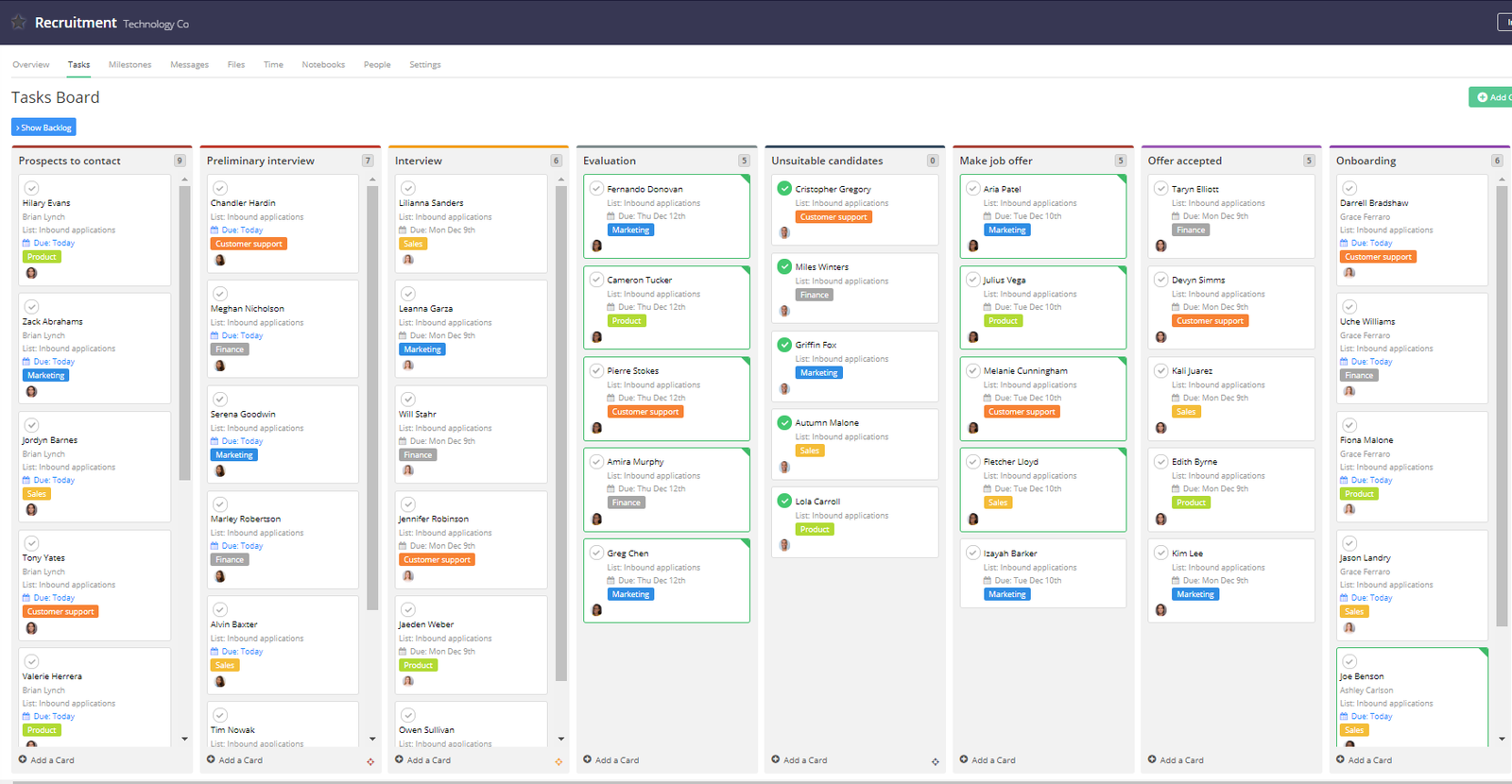
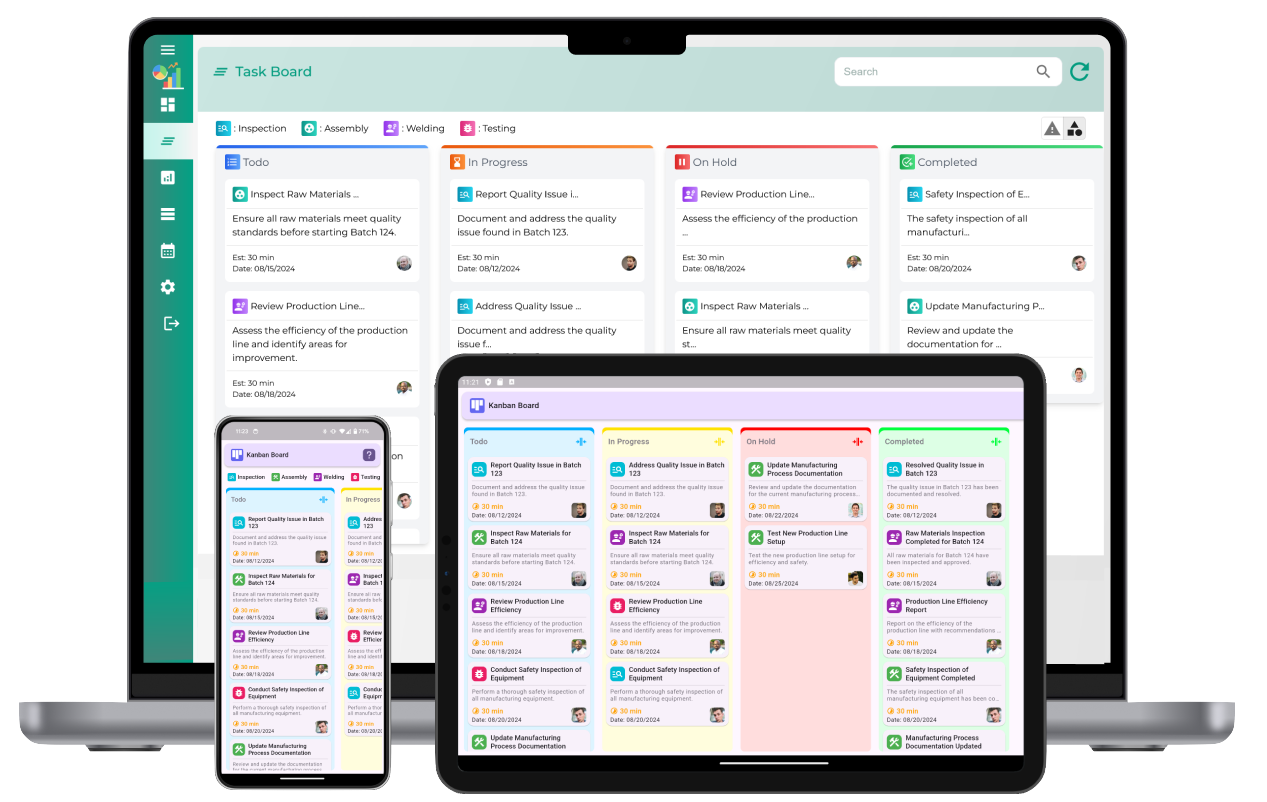
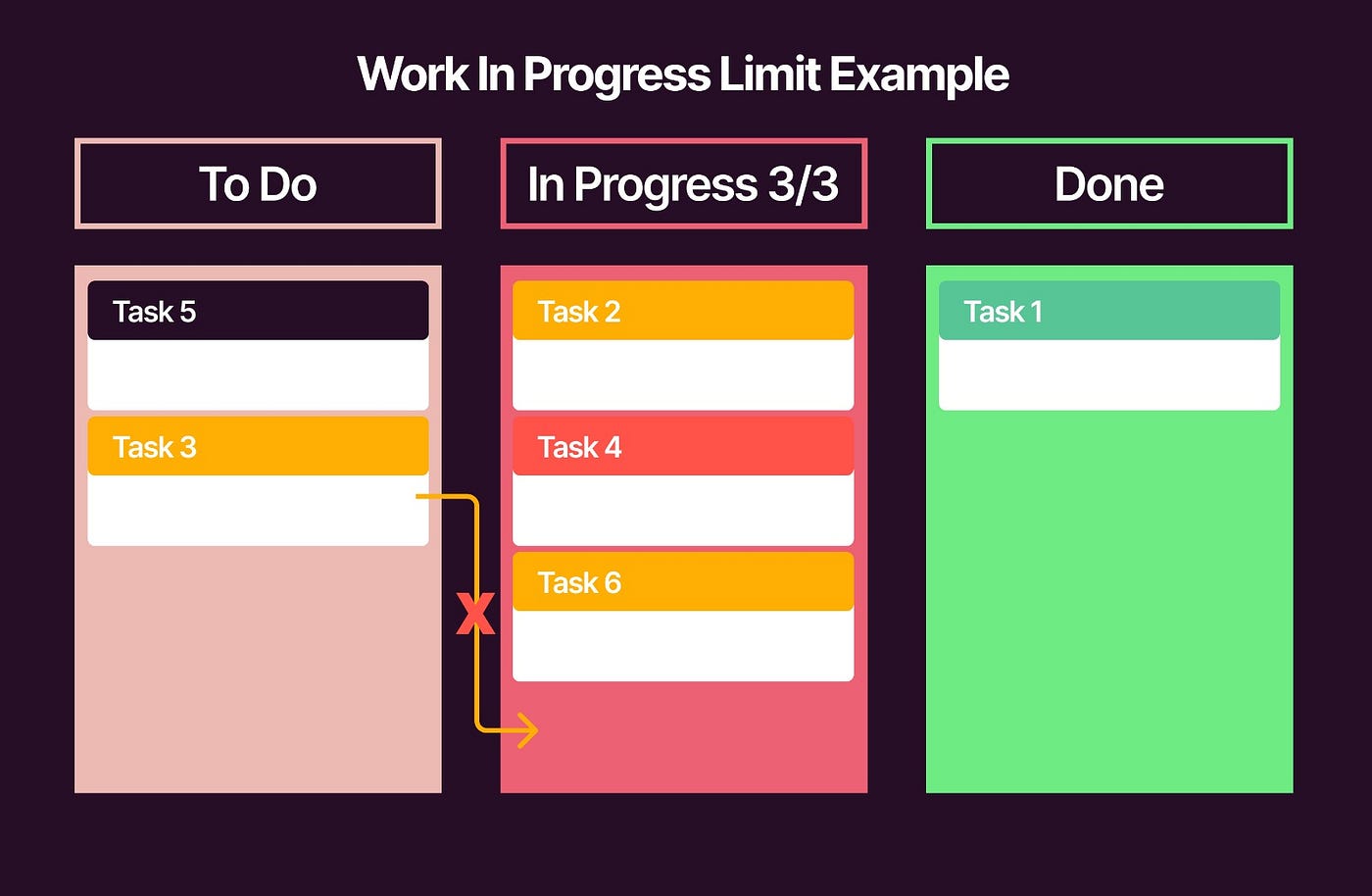
Visual task management is one of the most effective ways to monitor project progress.
Many project management tools use Kanban boards, which organize tasks into stages such as:
- To Do
- In Progress
- Review
- Completed
This visual representation allows teams to quickly see where work is concentrated and which tasks require attention.
When teams can see the status of every task, it becomes much easier to detect delays early and adjust workloads accordingly.
Visual workflows also improve collaboration because everyone shares the same understanding of project progress.
Real-Time Progress Monitoring
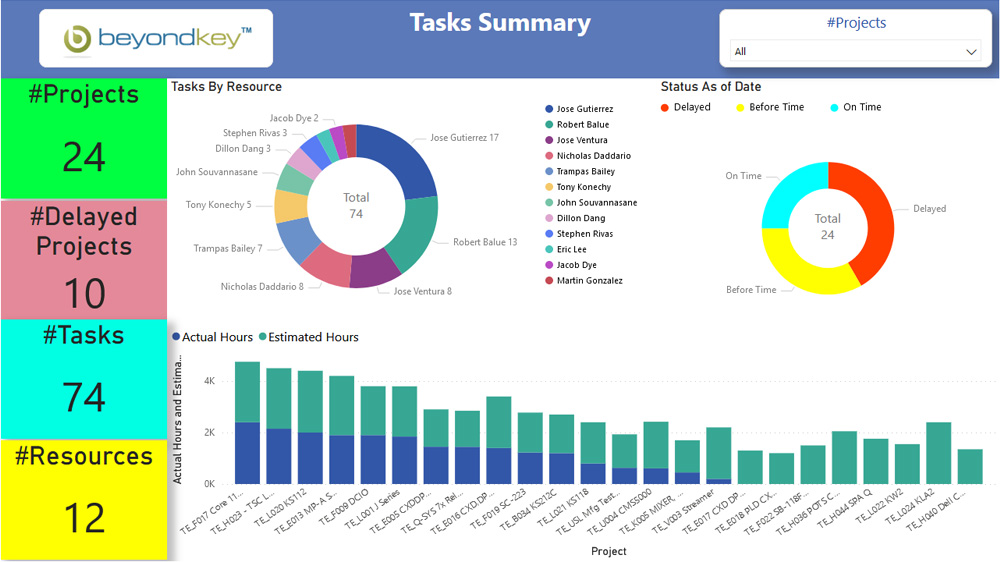
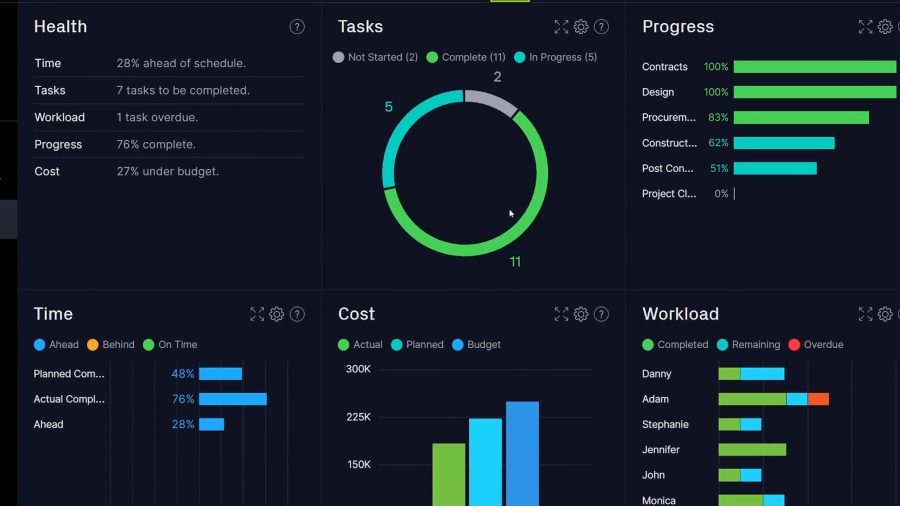
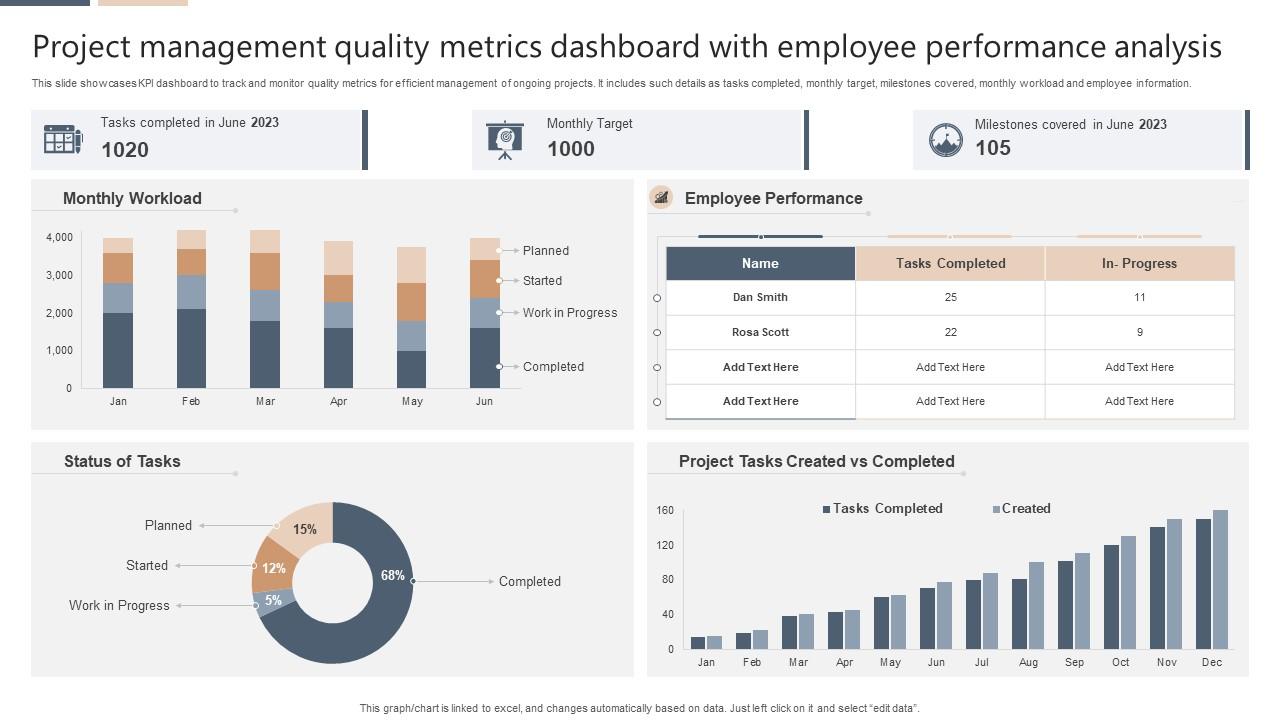
Modern project management platforms provide real-time dashboards that display key performance indicators.
These dashboards allow teams to monitor:
- task completion rates
- approaching deadlines
- workload distribution
- project milestones
Managers can immediately identify delays and intervene before they affect the entire project timeline.
Deadline Reminders and Notifications
Another major advantage of project management software is automated deadline tracking.
Platforms can send reminders when tasks are approaching their due dates.
This helps prevent situations where team members forget important deliverables.
Automatic notifications ensure that:
- tasks remain visible
- deadlines are respected
- accountability is maintained
These reminders reduce the risk of projects falling behind schedule.
Task Prioritization Improves Deadline Performance

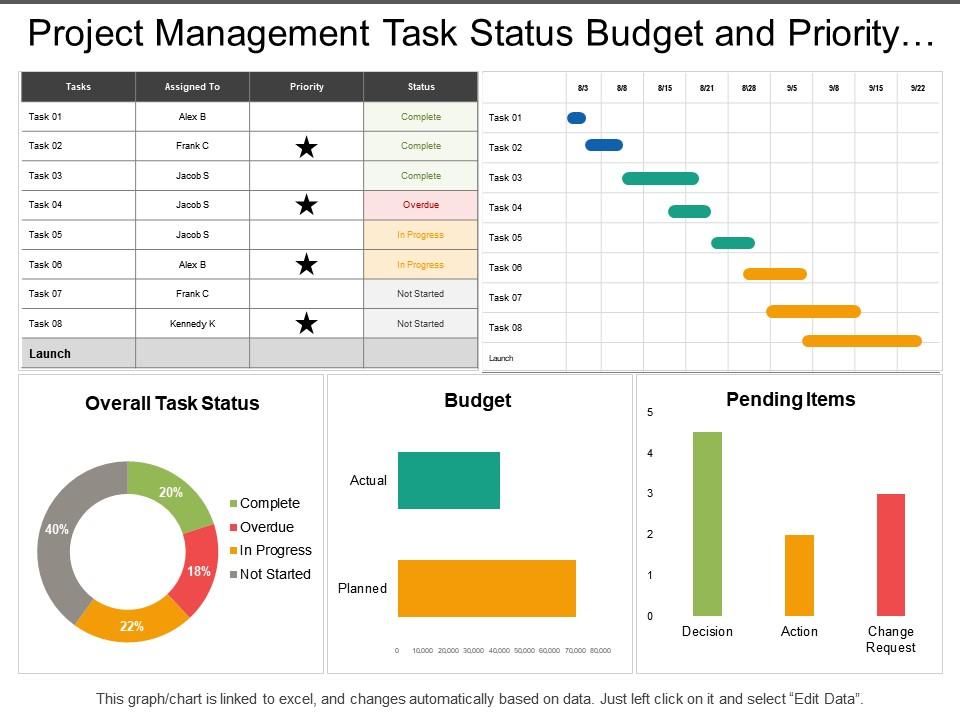
One of the main reasons teams miss deadlines is poor prioritization.
When all tasks appear equally important, team members may focus on low-impact work while critical tasks remain unfinished.
Project management software helps solve this problem by allowing teams to assign priority levels such as:
- high priority
- medium priority
- low priority
These visual indicators guide teams toward the tasks that matter most.
Workload Distribution and Team Balance
Workload imbalance is another factor that frequently leads to missed deadlines.
When some team members are overloaded while others have spare capacity, tasks become delayed unnecessarily.
Project management platforms allow managers to monitor workload distribution across the entire team.
By redistributing tasks effectively, teams can maintain a balanced workload and ensure that deadlines remain achievable.
Automation Helps Prevent Delays
Automation features further improve deadline management.
Teams can automate repetitive processes such as:
- assigning tasks
- updating project stages
- sending reminders
Automation reduces manual coordination and ensures that workflows continue moving forward.
Final Thoughts
Meeting deadlines consistently requires more than hard work. It requires visibility, organization, and structured workflows.
Project management tools provide the systems needed to organize tasks, monitor progress, and coordinate team efforts effectively.
With visual workflows, deadline reminders, workload monitoring, and automation features, teams gain the clarity needed to keep projects on track.
When teams combine these tools with clear prioritization and collaboration, they significantly increase their ability to deliver projects on time and maintain operational reliability.