Every project carries some level of risk. Deadlines can shift, resources may become unavailable, and communication issues can delay progress. Without proper oversight, these small issues can quickly escalate into larger problems that affect the entire project.
Project management software helps teams identify potential risks early and respond to them effectively. By organizing tasks, improving communication, and providing real-time project visibility, these platforms allow managers to detect warning signs before they turn into major setbacks.
This article explains how project management tools help teams manage project risks and maintain stable workflows.
Understanding Project Risk in Modern Teams
Project risk refers to any factor that may disrupt project progress or prevent the team from achieving its objectives.
Common project risks include:
- missed deadlines
- poor task coordination
- overloaded team members
- unclear responsibilities
- unexpected changes in project scope
When these risks are not properly monitored, they can negatively affect productivity, budgets, and client relationships.
Project management systems provide structured oversight that helps teams reduce uncertainty and maintain control over complex workflows.
Real-Time Project Visibility

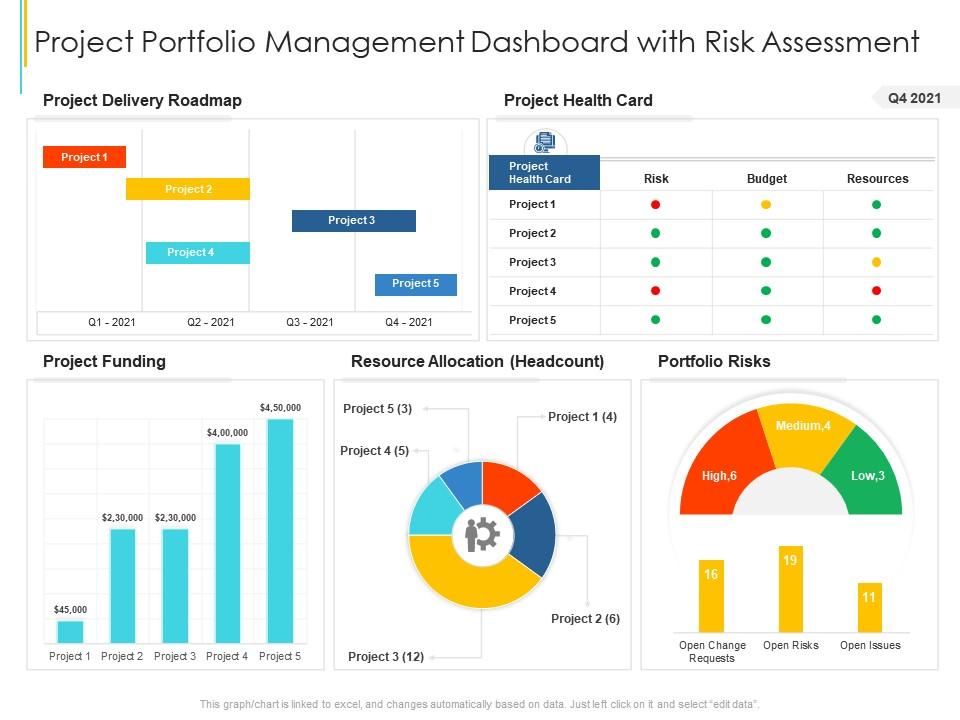
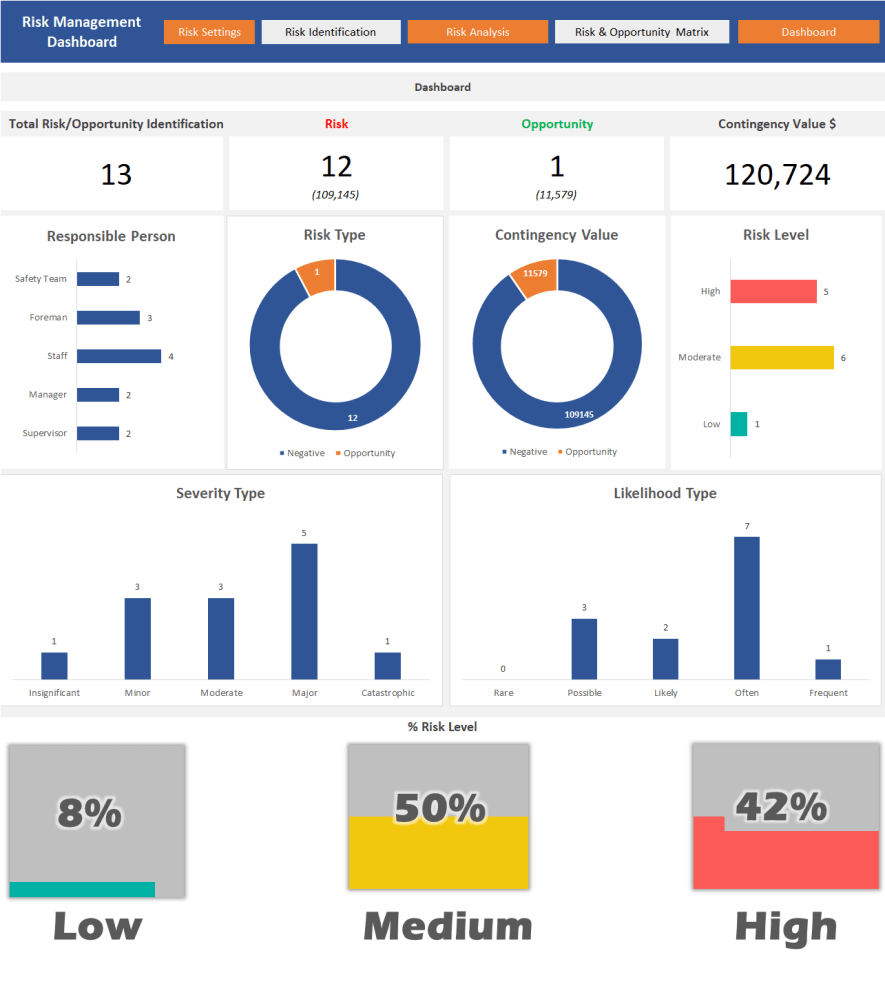
One of the most important ways project management software reduces risk is through real-time project visibility.
Managers can monitor key indicators such as:
- task progress
- workload distribution
- milestone completion
- potential delays
This visibility allows teams to detect problems early and adjust their plans accordingly.
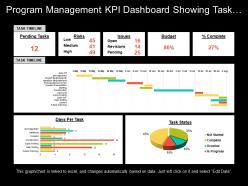
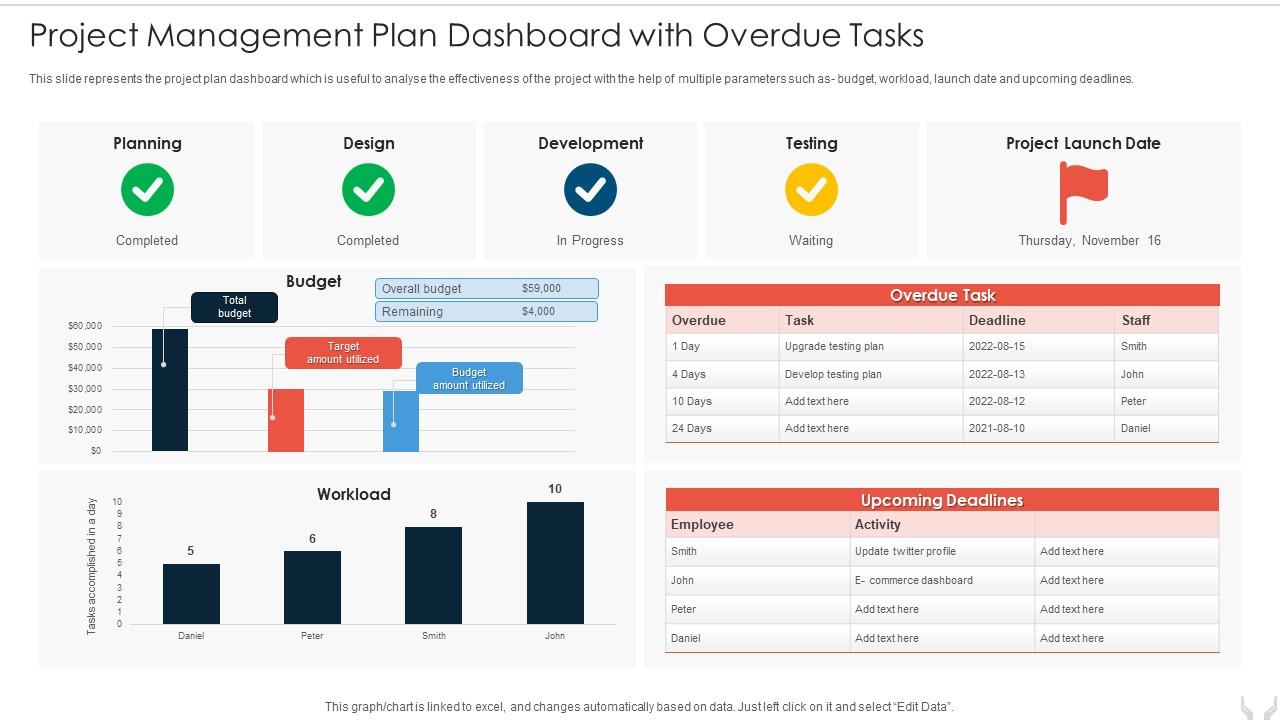
Dashboards transform complex project data into clear insights that help teams respond quickly to emerging risks.
Monitoring Team Workload

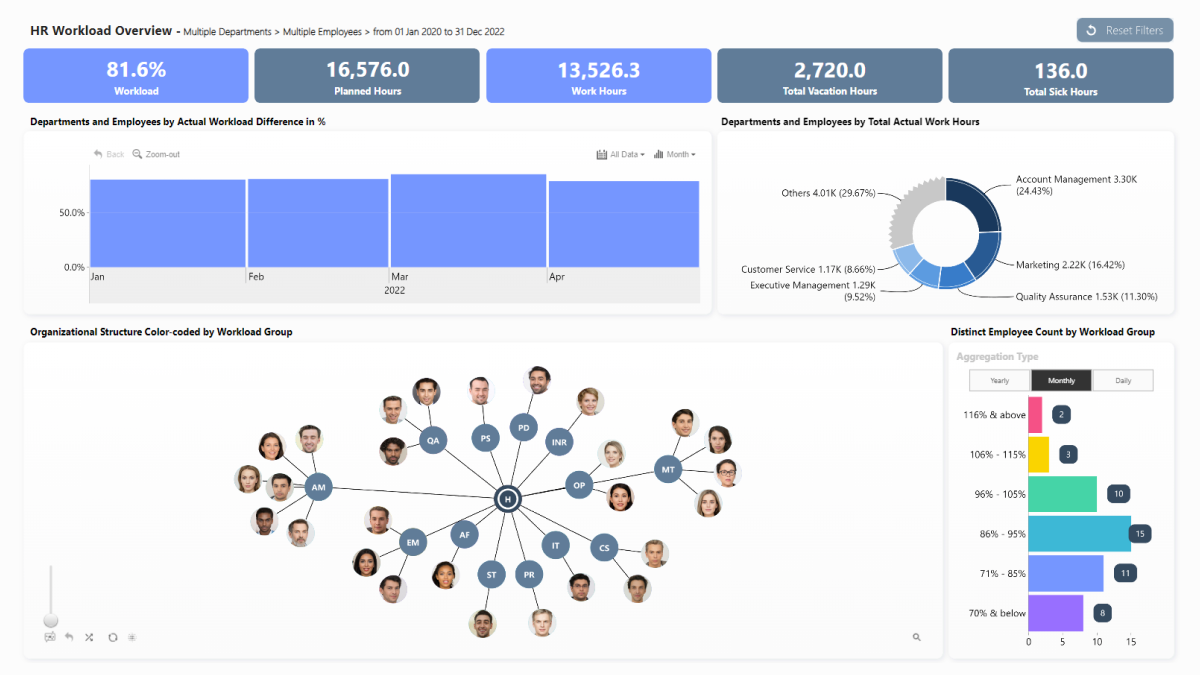
Another important aspect of risk management is monitoring team workload.
When some employees become overloaded while others remain underutilized, productivity declines and deadlines may be missed.
Project management platforms allow managers to analyze workload distribution and adjust responsibilities accordingly.
Balanced workloads help teams maintain steady progress and reduce the risk of burnout.
Preventing Delays Through Structured Scheduling

Scheduling plays a critical role in project risk management.
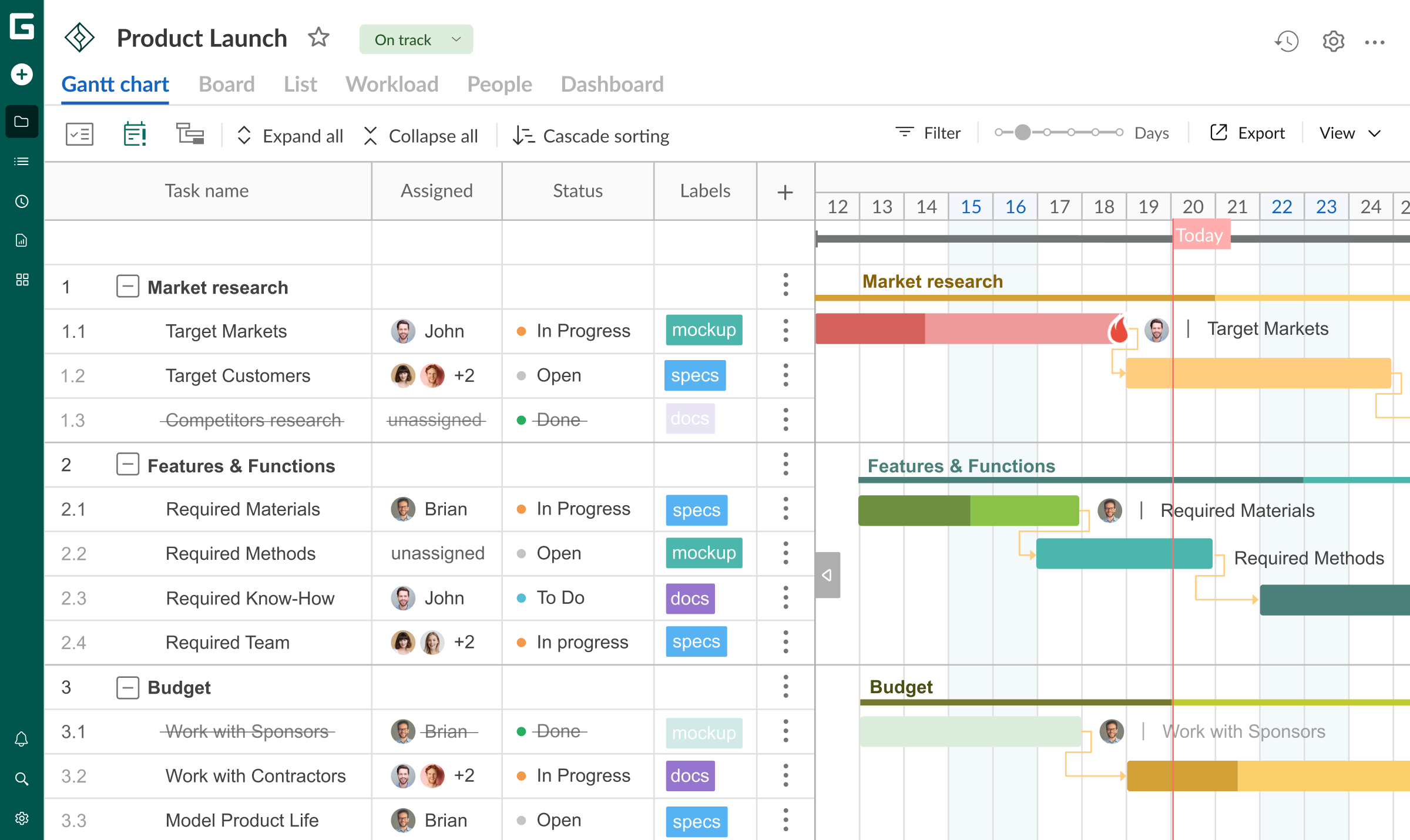
Project management software provides tools that help teams track deadlines and project milestones through features such as:
- timeline views
- milestone tracking
- deadline notifications
These systems allow managers to detect schedule conflicts and delays before they affect the entire project.
Maintaining predictable timelines significantly reduces project risk.
Automation Reduces Operational Risk
Automation features also help minimize risk.
Automated workflows ensure that routine processes occur consistently without requiring manual intervention.
Examples of automation include:
- automatic task assignments
- status updates
- deadline reminders
- notification triggers
Automation reduces the likelihood of human error and ensures that workflows remain organized.
These automated systems allow teams to maintain consistency even in complex projects.
Improving Decision-Making With Data
Project management tools also provide valuable analytics that help teams make better decisions.
Managers can analyze data such as:
- task completion rates
- project velocity
- workload patterns
- milestone performance
These insights allow teams to anticipate potential risks and adjust strategies accordingly.
Data-driven decision making improves project planning and reduces uncertainty.
Building More Resilient Project Workflows
Effective risk management is not only about solving problems — it is about preventing them.
Project management software helps organizations build resilient workflows by:
- improving visibility
- organizing tasks clearly
- balancing workloads
- automating repetitive processes
When these systems work together, teams can respond quickly to challenges and maintain steady progress.
Final Thoughts
Project risk is an unavoidable part of managing complex workflows, but it can be effectively controlled with the right systems and tools.
Project management software helps teams detect risks early, maintain visibility over project progress, and coordinate responsibilities efficiently. By combining analytics, structured scheduling, and automation, organizations can significantly reduce the likelihood of project disruptions.
Teams that adopt these systems not only improve operational stability but also build stronger collaboration and more predictable project outcomes.