For small businesses and growing teams, controlling operational costs is essential for long-term sustainability. Many organizations struggle with inefficiencies caused by poor communication, duplicated work, and lack of project visibility. These issues can quietly increase expenses and reduce productivity.
Project management software helps solve these problems by organizing workflows, improving team coordination, and providing better oversight of project activities. When tasks, deadlines, and responsibilities are managed through a centralized system, businesses can reduce wasted time and improve operational efficiency.
This article explains how project management tools help businesses reduce costs while improving productivity and project outcomes.
Why Operational Inefficiencies Increase Costs
Many organizations underestimate how much operational inefficiencies affect their budgets.
Common sources of unnecessary costs include:
- duplicated work
- missed deadlines
- communication breakdowns
- poorly distributed workloads
- lack of task visibility
When teams operate without structured workflows, valuable time is lost coordinating tasks instead of completing them.
By implementing structured project systems, companies can significantly reduce these hidden operational costs.
Workflow Organization Improves Efficiency
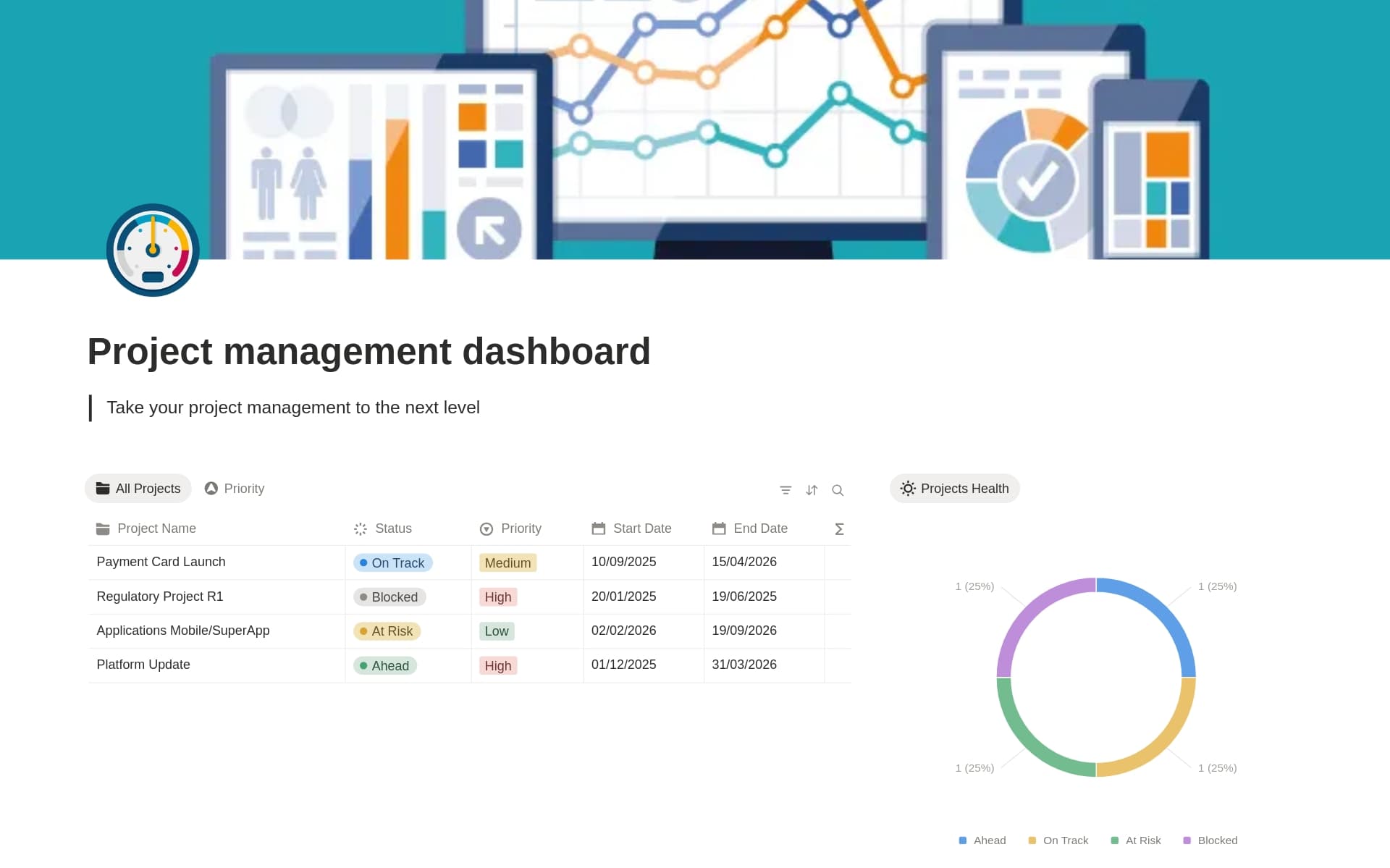
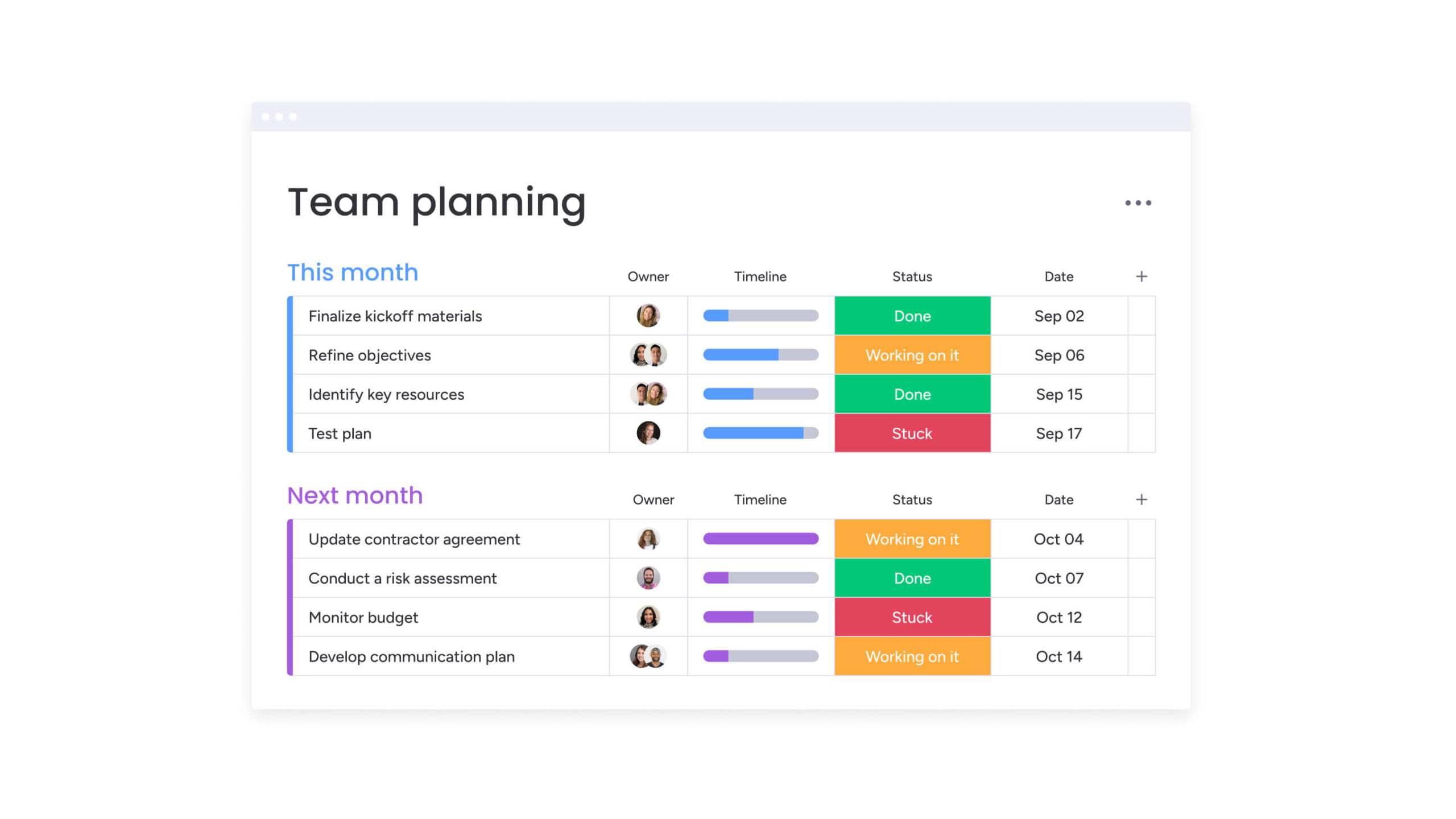
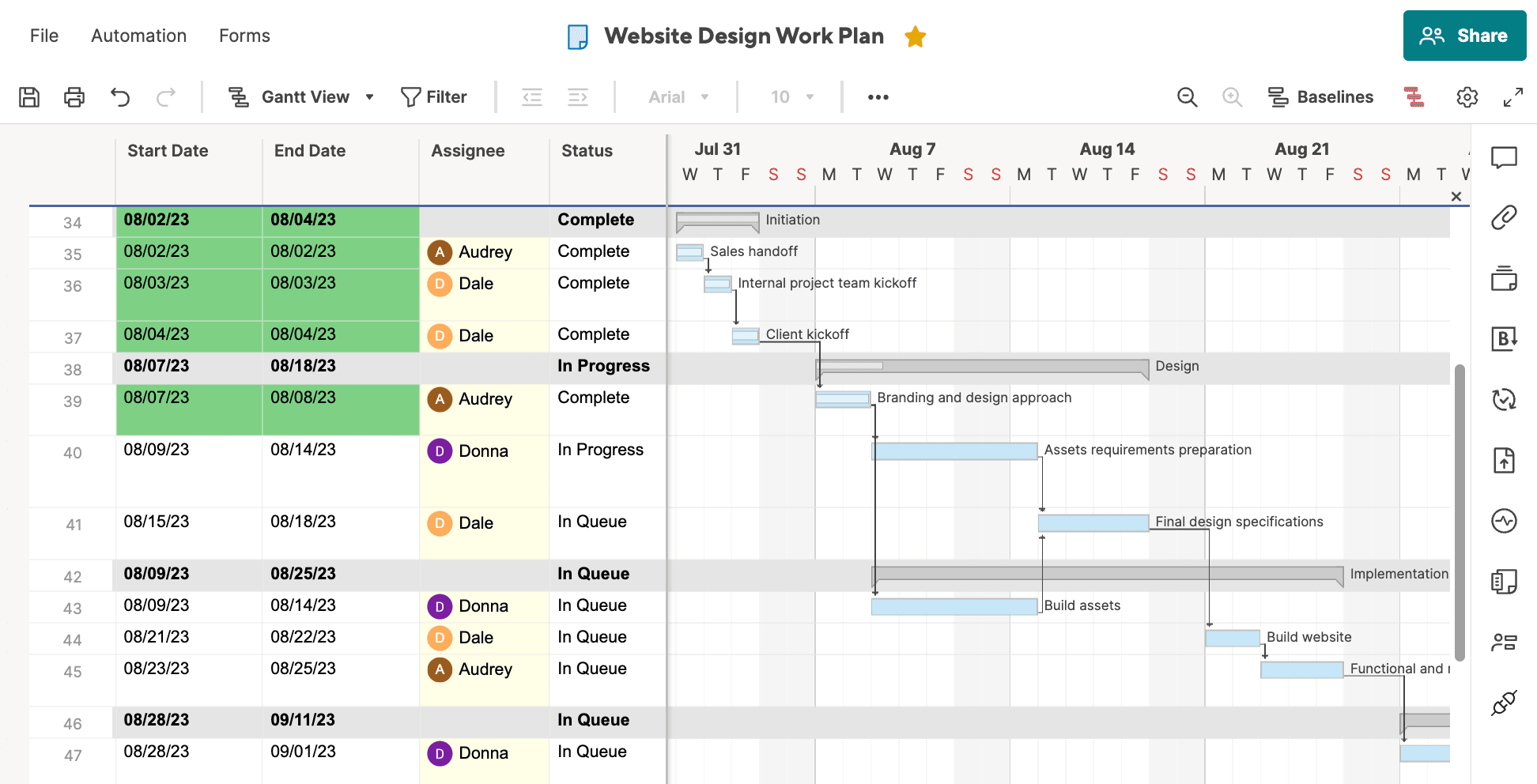
Project management platforms provide structured environments where tasks are clearly organized and assigned.
Instead of relying on scattered spreadsheets and emails, teams can manage work through centralized systems that track:
- task progress
- deadlines
- responsibilities
- project milestones
Organized workflows reduce confusion and help teams complete work more efficiently.
Reducing Communication Inefficiencies
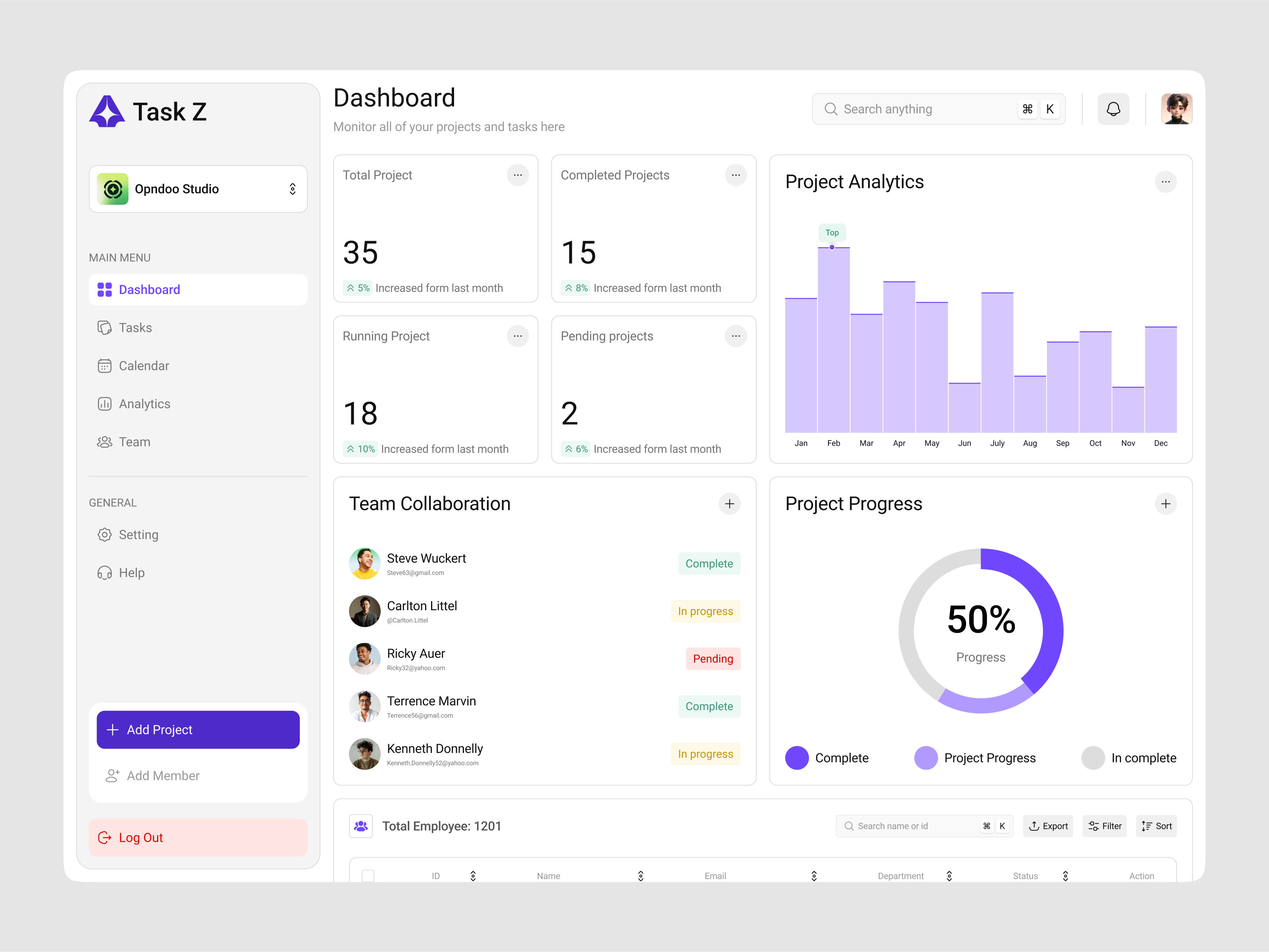


Communication inefficiencies are one of the most common causes of wasted time in organizations.
When information is scattered across different channels such as emails, messaging apps, and documents, employees spend unnecessary time searching for updates and clarifications.
Project management software centralizes communication by allowing teams to:
- comment directly on tasks
- share documents
- track updates in real time
This structured communication improves collaboration and reduces the time spent managing project coordination.
Dashboards help teams monitor progress without requiring constant status meetings.
Preventing Costly Project Delays
Project delays are another major contributor to operational costs.
When projects fall behind schedule, businesses may face:
- overtime expenses
- missed opportunities
- dissatisfied clients
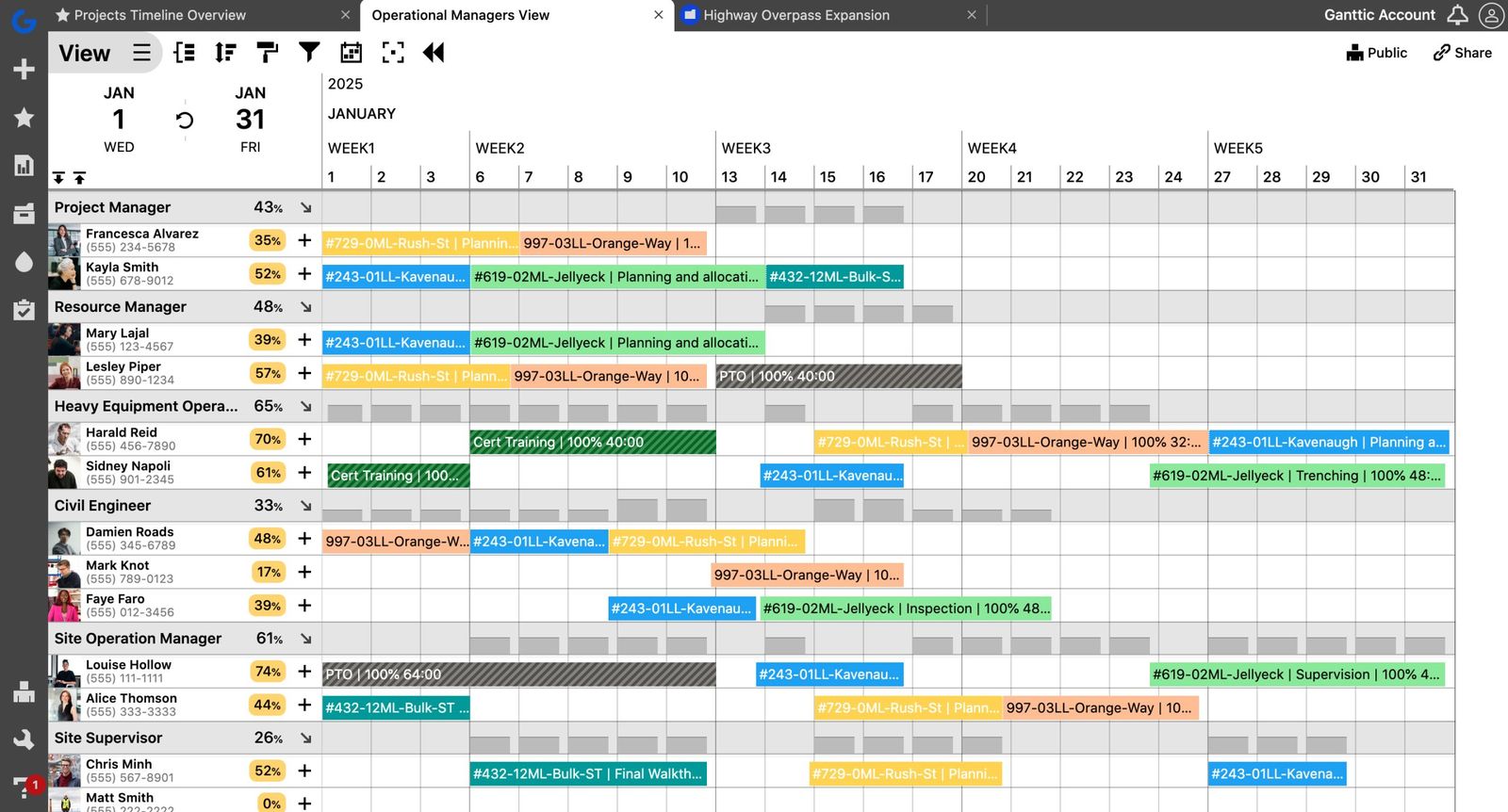
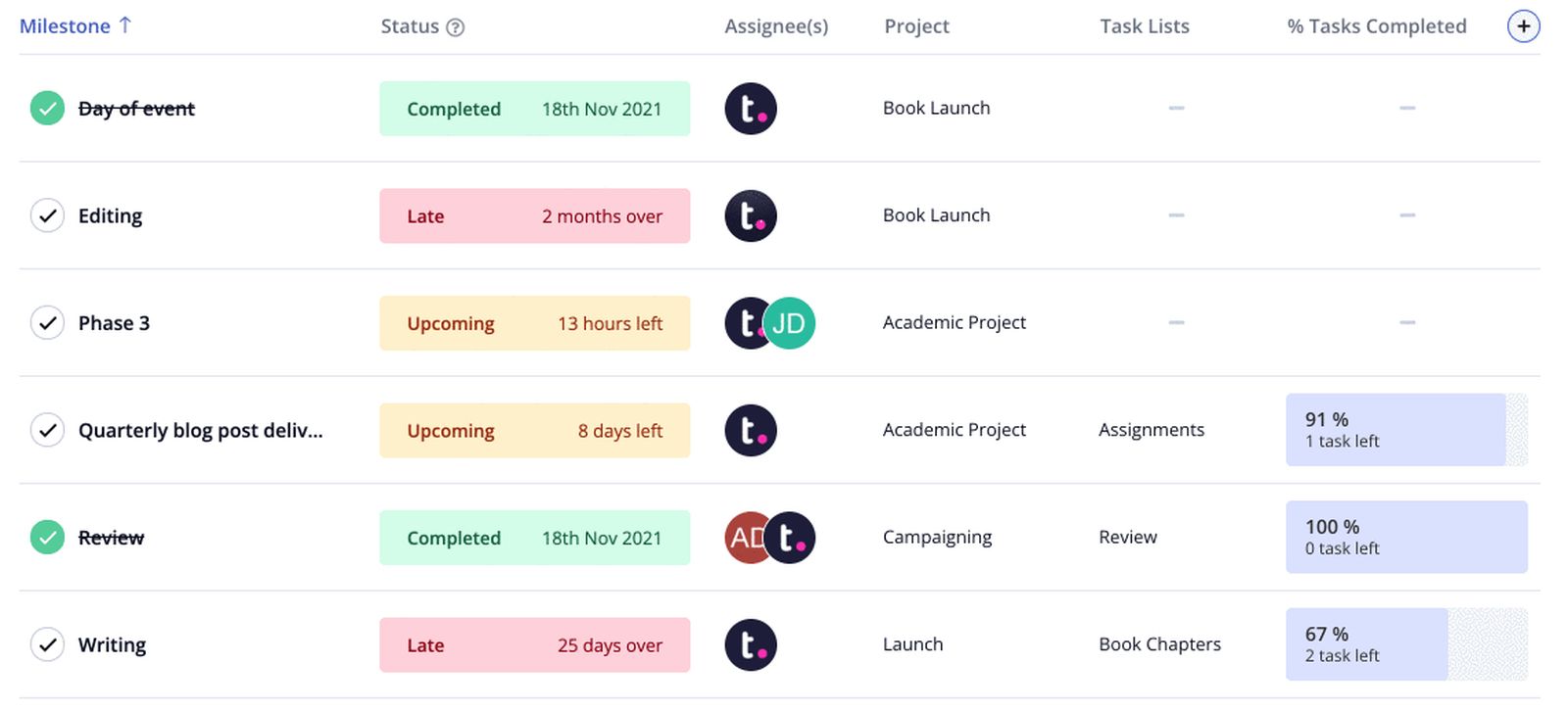
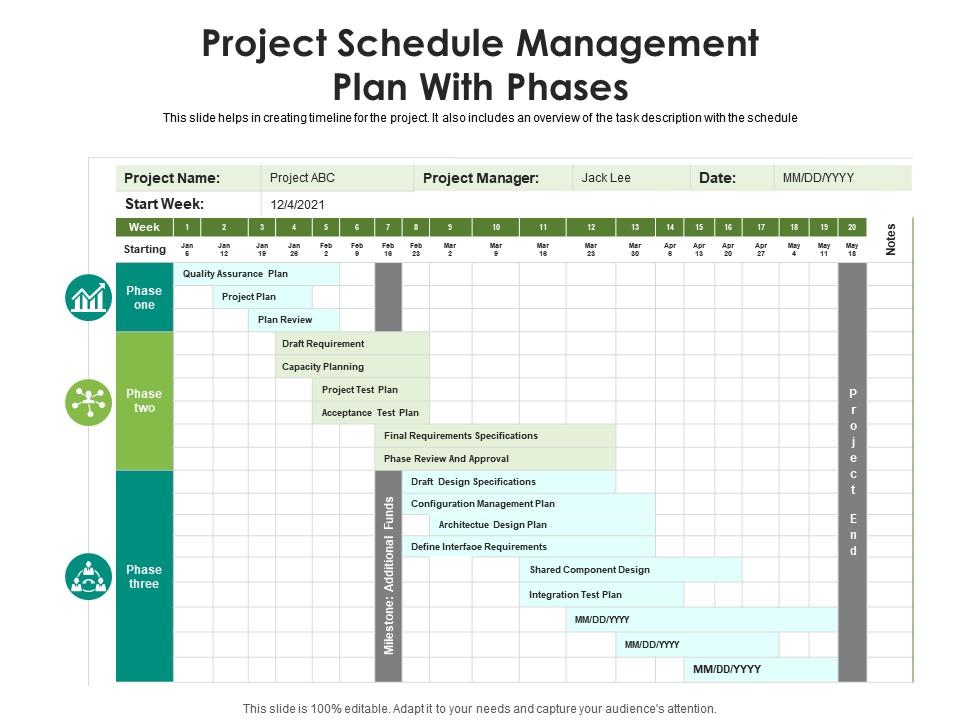
Project management software helps prevent delays by providing tools such as:
- deadline reminders
- timeline views
- milestone tracking
These features allow teams to monitor project progress and intervene before delays become serious problems.
Maintaining predictable timelines reduces financial risk and improves client satisfaction.
Automation Reduces Administrative Work
Another way project management software reduces costs is through automation.
Automation features allow teams to automatically perform repetitive tasks such as:
- assigning responsibilities
- updating workflow stages
- sending notifications
These automated processes eliminate the need for manual coordination.
Automation allows employees to focus on productive work rather than administrative tasks.
Better Decision-Making With Data
Project management tools also provide valuable insights through analytics and reporting.
Managers can analyze key metrics such as:
- project progress
- team workload
- productivity trends
- task completion rates
These insights allow leaders to identify inefficiencies and optimize workflows.
Data-driven decision making helps organizations allocate resources more effectively and avoid unnecessary expenses.
Long-Term Financial Benefits
While project management software requires an initial investment, the long-term benefits often outweigh the costs.
Businesses that implement structured project systems often experience:
- improved productivity
- reduced operational waste
- faster project delivery
- better team coordination
These improvements lead to measurable financial gains over time.
Final Thoughts
Project management software plays a critical role in helping businesses reduce operational costs and improve efficiency. By organizing workflows, centralizing communication, preventing delays, and automating repetitive tasks, these tools allow teams to operate more effectively.
When organizations implement structured project management systems, they gain better visibility into operations and can make smarter decisions about resource allocation.
For small businesses seeking sustainable growth, project management software is not just a productivity tool — it is a strategic investment that improves efficiency and long-term profitability.